

What is Nowruz?
Nowruz, “new day”, is a new year celebration beginning at the exact moment of Spring Equinox, celebrating the arrival of spring over darkness. Nowruz can be traced back 3000 years ago to the Zoroastrian’s celebration of Spring and the symbolic triumph of good vs. evil. Winter vs. Spring.
When is Nowruz?
Spring Equinox occurs when the sun crosses the celestial equator going South to North. After this passage many places in the northern hemisphere will experience more daylight than darkness. Nowruz is celebrated at the exact time that the sun crosses the equator, therefore the day and time of each new year varies. The first day of spring can fall on March 19, 20, 21 and the exact time fluctuates about 6 hours every year due to the earth’s revolution around the sun. This year’s Nowruz falls on Friday, March 20, 2026, at approximately 7:45 AM PST.
Where is Nowruz celebrated?
Nowruz is one of the most important holidays in Iran and is celebrated as an official holiday in a great swath of near east Asia including, Afghanistan, Albania, Azerbaijan, Georgia, Iraq, Kurdistan, Kazakhstan, Kosovo, Kyrgyzstan, Mongolia’s Bayan-Ölgii province, Tajikistan, Turkmenistan, and Uzbekistan. It is celebrated worldwide by the Iranian diaspora.
Celebrate with Dance

Sunday, March 8: Nowruz New Year Celebration
Join us from 2:00–4:00 pm at the Mitchell Park Community Center to experience the rich traditions of Persian, Tajik, and Afghan dance in a vibrant celebration of music and movement, featuring Ballet Afsaneh and the music of Amir and his friends.
About the Performers:
Founded in 1986 and incorporated as a non-profit in 1991, Ballet Afsaneh, opens a new window is a San Francisco Bay Area ensemble showcasing the dance, music, and poetry of the Silk Road. Their repertoire spans traditional and contemporary works from cultures across Eurasia, blending ancient art forms with modern dance. The company performs nationally and internationally at festivals, universities, and special events.
Amir School of Music's philosophy is rooted in the belief that music is a universal language capable of transcending boundaries and enriching lives. Drawing from a diverse musical background encompassing both Middle Eastern and Western traditions, they are dedicated to nurturing a deep appreciation for music while empowering students to explore their unique musical voices. Their approach integrates Western and Middle Eastern classical music theory, creating a holistic learning environment tailored to individual needs.

Books about Nowruz, Springtime, and Persian Culture
- Nowruz a Celebration of Spring! The Persian New Year, opens a new window
- Iran and Iranian American Authors, opens a new window
- Persian Cooking, opens a new window
- Know Iran through Graphic Novels, opens a new window
- Persian Perspectives: eBooks for Insight into Iran, opens a new window
- Persians, opens a new window
Preparing Your Home
“Khane-takooni”, literally shaking the house, is the custom of spring cleaning which is a tenet of most traditional cultures. Cleansing the house and environs after a cold winter to signal a fresh start and renewal.
- Check out some great books on Cleaning and Getting Organized, opens a new window
- Places to Donate Items You No Longer Need:
- Goodwill of Silicon Valley: Clothes, Household Items, Misc.
- Friends of the Palo Alto Library: Books, Movies, Puzzles, Games
- Hope Services: Clothes, Household Items, etc.
Preparing Yourself
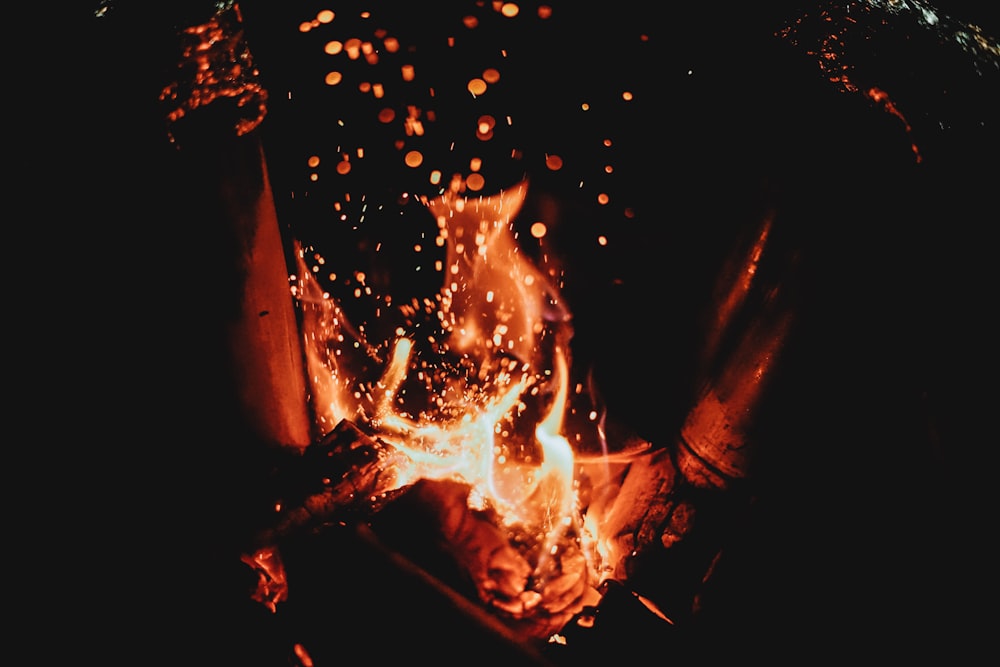
“Chaharshanbe suri”, literally festive Wednesday, is celebrated the Wednesday before Nowruz. It is a fire jumping ritual to rid oneself from any negative energy accumulated over the past year. The celebration which usually begins at dusk commences with firecrackers and sparklers. Small bonfires are lit, and as one jumps over the flame one says: “My yellow pallor to you, your red power to me”.
As the new year approaches, a set of new clothes and shoes are bought to be worn at the “Haft-seen” table. “Haft seen”, literally seven S, is the spread set to symbolize hopes for the new year. In reality most people put these eight items on the table:
- Sekeh, coins: to represent year of wealth and fortune
- Sabzeh, wheat or lentil grown: to represent vitality and life
- Seeb, apple: to represent health
- Senjed, Oleaster: to represent love and logic
- Samanu, wheat germ pudding: to represent affluence
- Sumac: to represent patience and endurance
- Seer, garlic: to represent medicinal cures
- Serkeh, vinegar: to represent long life
In addition to these “S” items the following are traditionally on the table as well:
- Goldfish: to represent life energy
- Candle: to represent light into the new year
- Mirror: to represent truth and authenticity
- Shirini, sweets: to represent good memories
Children receive cash as gifts hidden in a cherished book handed out by the eldest adult.
Take a look at this Haft-Seen table put together by library staff member, Maryam!
Celebrating 13 Days of Nowruz
The first 12 days of the new year are spent visiting family starting with the eldest member and progressing.
The 13th day of Nowruz is called “sizdeh-bedar”, literally purge thirteen, meaning to purge the bad energy from the house. It is considered bad luck to be at home on that day, the idea being that if you are inside on the 13th you will not have a fruitful year. Many families picnic outside in parks. Locally, Vasona Park in Los Gatos holds one of the larger gatherings of the Iranian diaspora in this area on “sizdeh-bedar”.
Along with picnicking and food, the wheat sprout which has been grown and kept is taken outside and thrown into running water to purge bad energy and increase wealth for next year. On this day, unmarried women tie grass blades together and hope for marriage within the next year.

Add a comment to: Happy Nowruz!